Healthy Eating Guide
Modern life often leads to poor eating habits like fast food and skipped meals. However, the busier we are, the more important it is to nourish our bodies for sustained energy. If unhealthy habits have become routine, it’s time to get back on track with better nutrition — and No Waste To Go can help. A healthy diet includes grains, vegetables, fruits, dairy, protein, and fats, offering many opportunities for healthier choices.
Grains
When shopping, it’s important to read labels carefully to ensure you’re choosing truly whole grain products:
- Look for ingredients like “whole wheat,” “whole oats,” or “whole rye” listed first
- Be cautious of misleading labels such as: “multigrain”, “seven grain”, “100% wheat”
- Check the fiber content — higher fiber usually indicates a better choice
- For bold, savory flavors: Cumin, chili powder, cilantro,...
- For classic, aromatic dishes: Basil, garlic, rosemary, thyme,...
- For sweeter recipes: Cinnamon, nutmeg, cloves,...
Vegetables
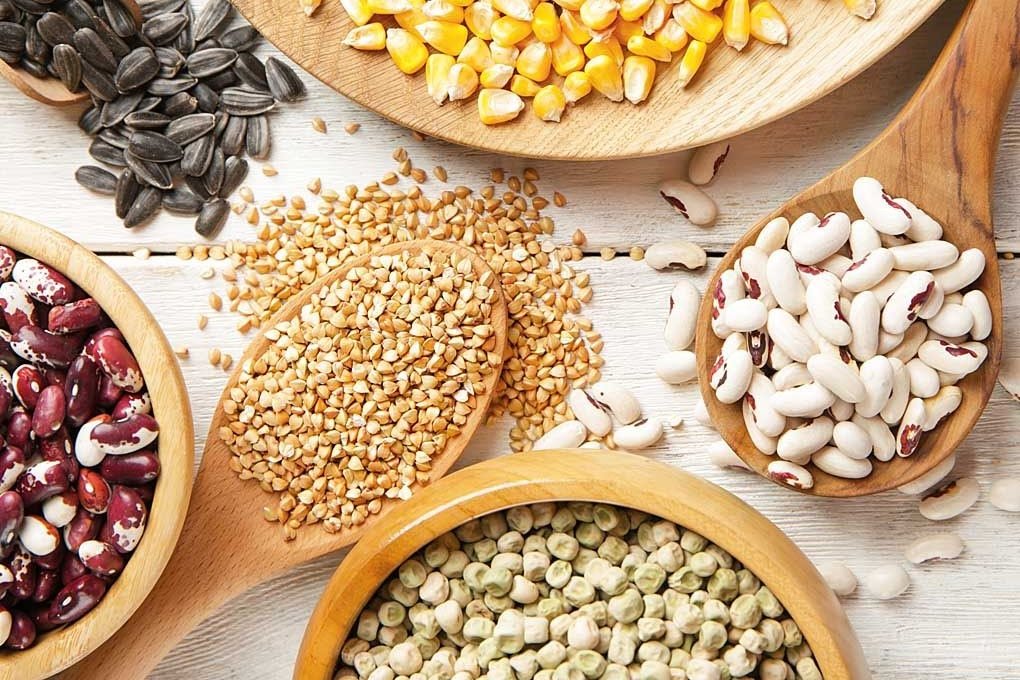
- Dark green vegetables: broccoli, spinach, romaine lettuce
- Orange vegetables: carrots, squash
- Starchy vegetables: corn, green peas, potatoes
- Dried beans and peas: black beans, lentils, kidney beans, soybeans, tofu
- Other vegetables: asparagus, beets, cabbage, onions, cucumbers, tomatoes, zucchini
Fruits
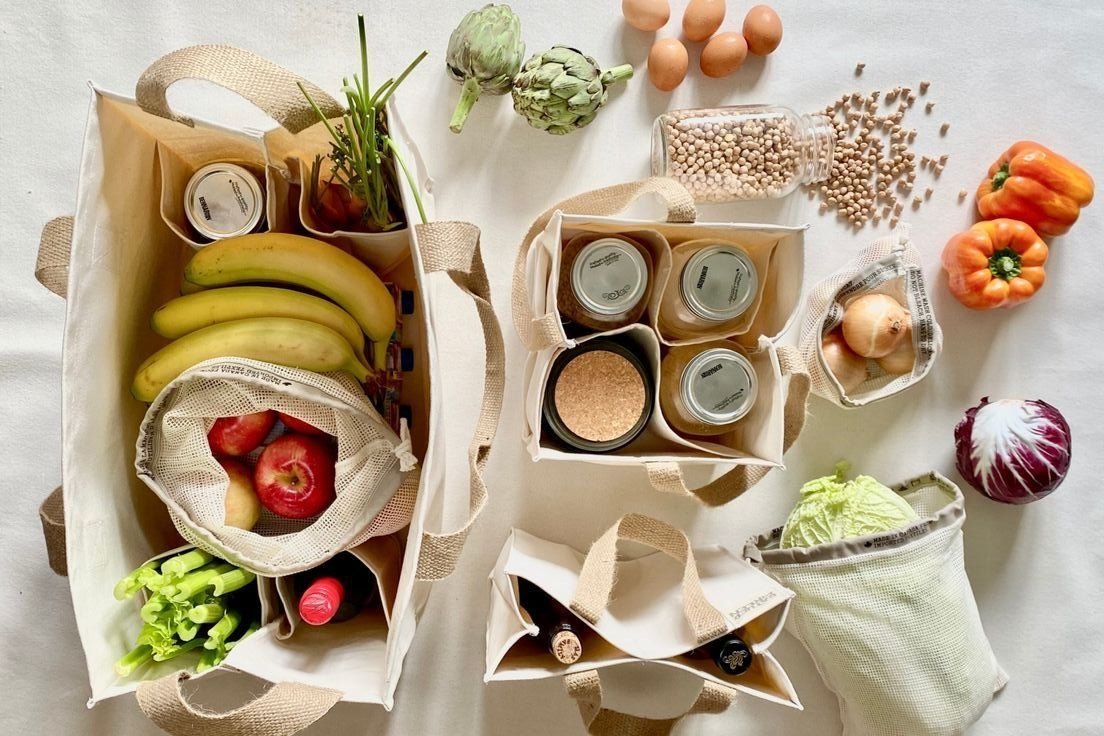
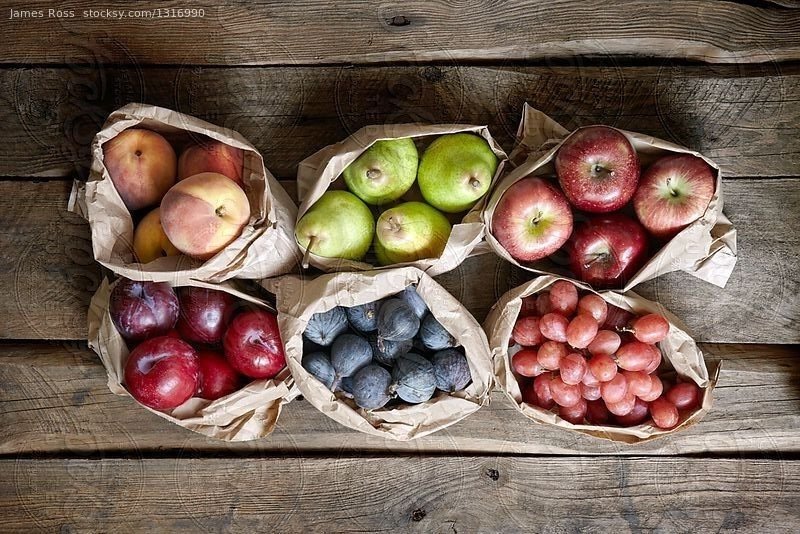
Fresh fruits are the best choice for maximizing nutrients and fiber, while other forms can still be included:
- Choose 100% fruit juice (but note it has less fiber)
- Select canned fruits packed in water or juice, not syrup
- Eat dried fruits in moderation due to higher sugar content
Dairy
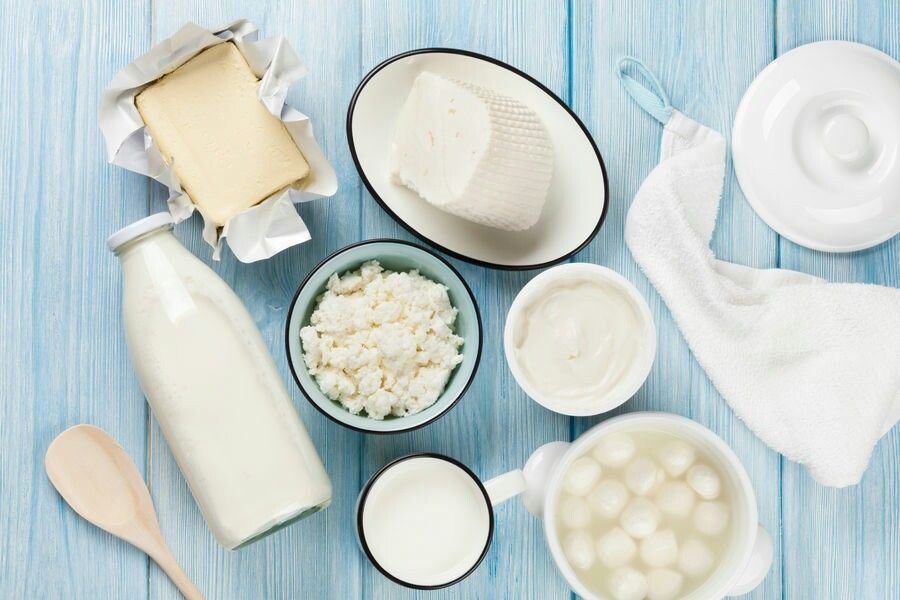
When possible, opting for organic dairy can offer additional benefits. Organic dairy does not use antibiotics or growth hormones, ensures stricter production standards, and provides a cleaner, more natural option for consumption.
Fat
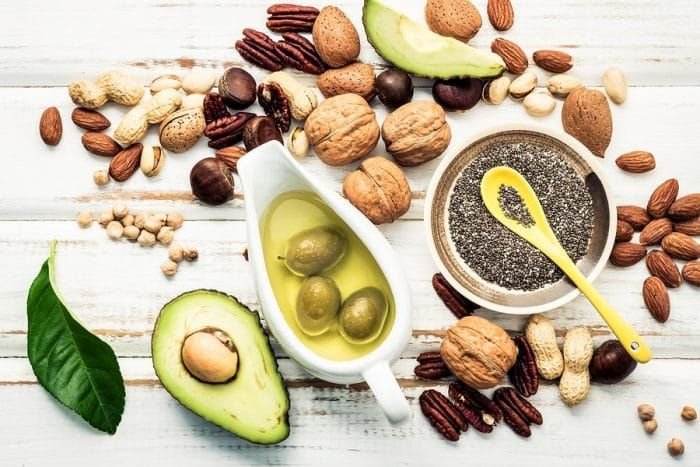
- Solid fats: butter, margarine, lard, fat from meat
- Oils: from vegetables, nuts, and seeds
Healthier choices: Extra-virgin olive oil, expeller-pressed canola oil, flaxseed oil, hempseed oil, and walnut oil.
Limit: Coconut oil and palm kernel oil (high in saturated fats). Trans fats—found in some processed oils—should be minimized. Because fats are high in calories (~120 calories per tablespoon), portion control is important.
Protein
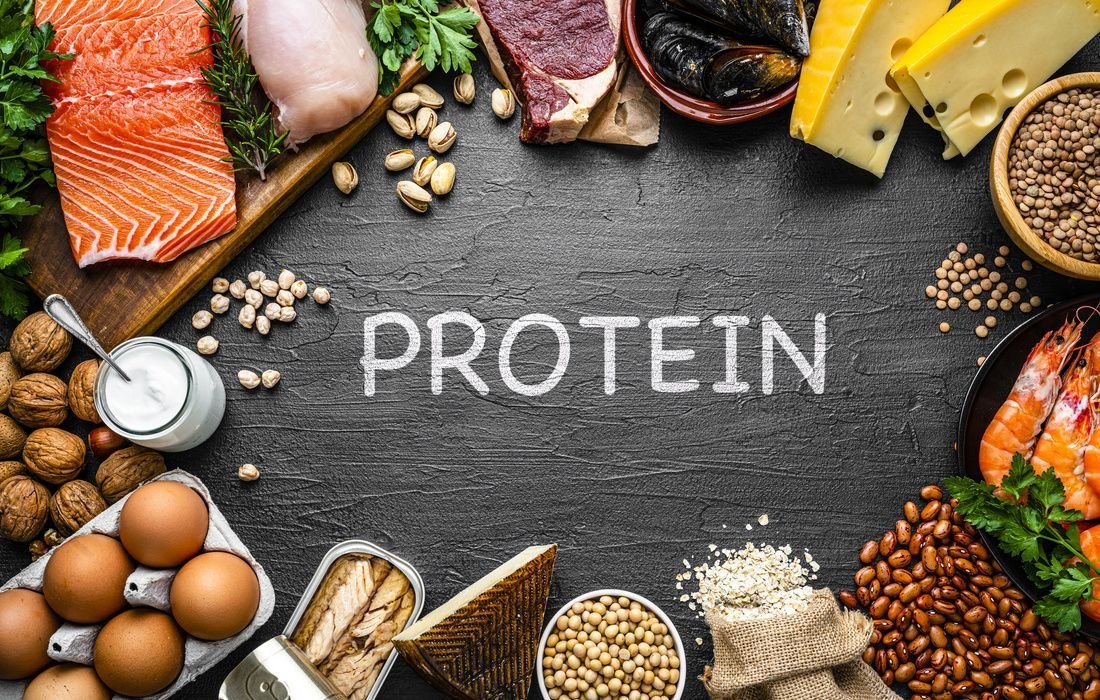
The body requires a small amount of fat to maintain good health, but the majority should not come from saturated fats. Instead, select proteins that provide monounsaturated and polyunsaturated fatty acids, the types of fats found in nuts, seeds, and fish. No Waste To Go herbs and spices add a particularly delicious flair to proteins and help create flavorful, healthier meals.
Find a calm place and take time to enjoy your meals. Eating slowly and mindfully is better for digestion and overall well-being.
We’re committed to providing products that deliver quality, purity, and nutrition — whenever possible, organically sourced. Organic foods are grown without harmful chemicals and support a more sustainable environment. No Waste To Go products are great choices for a healthier diet — and for supporting a more sustainable lifestyle and planet.